Project

SCD30 Address Board

Industrial-grade Modbus RTU interface for scalable CO₂ sensor networking and diagnostics.

September 2025
PCB Design Modbus RTU RS-485 Industrial Firmware
In collaboration with FieldGuard

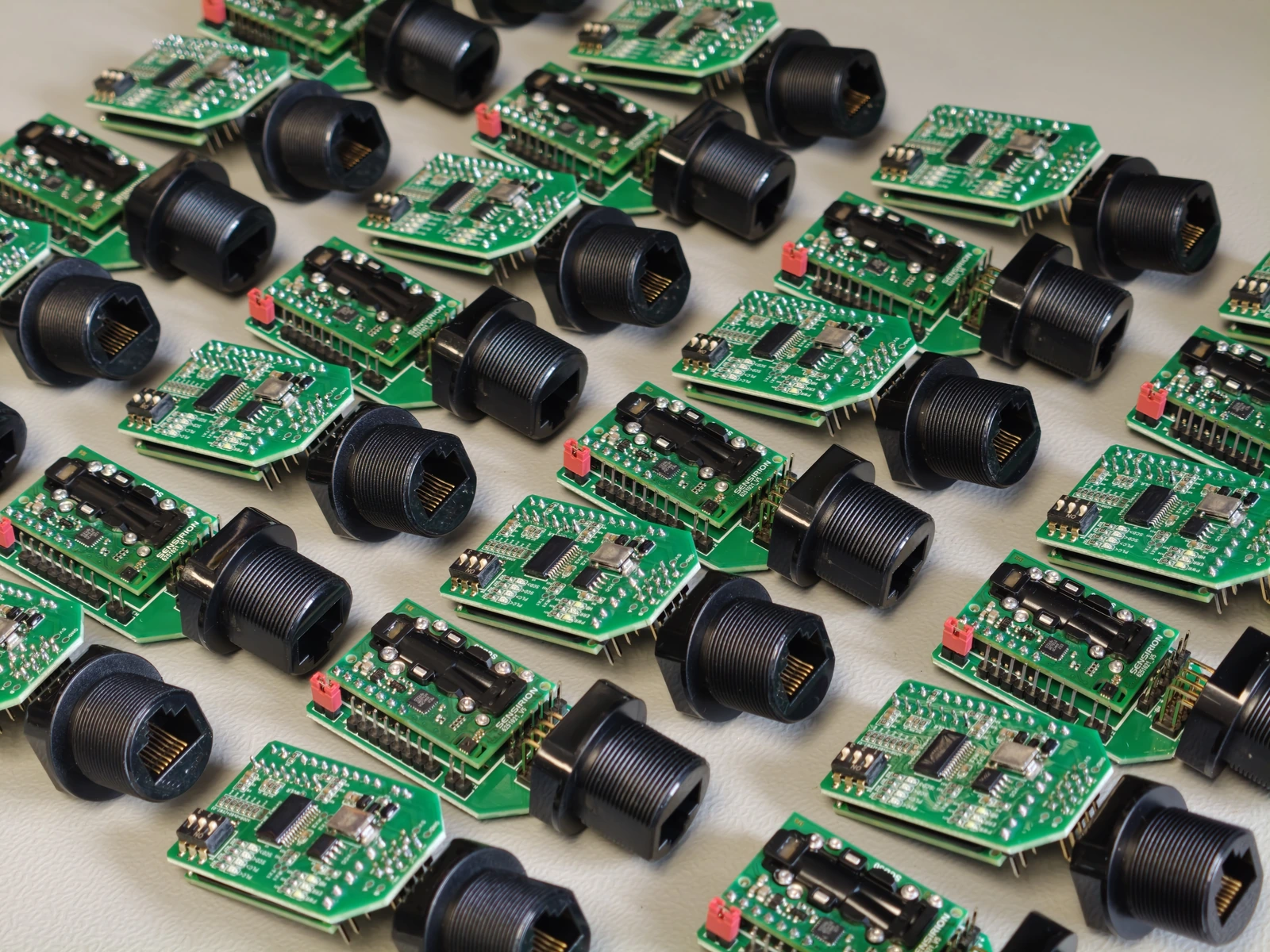
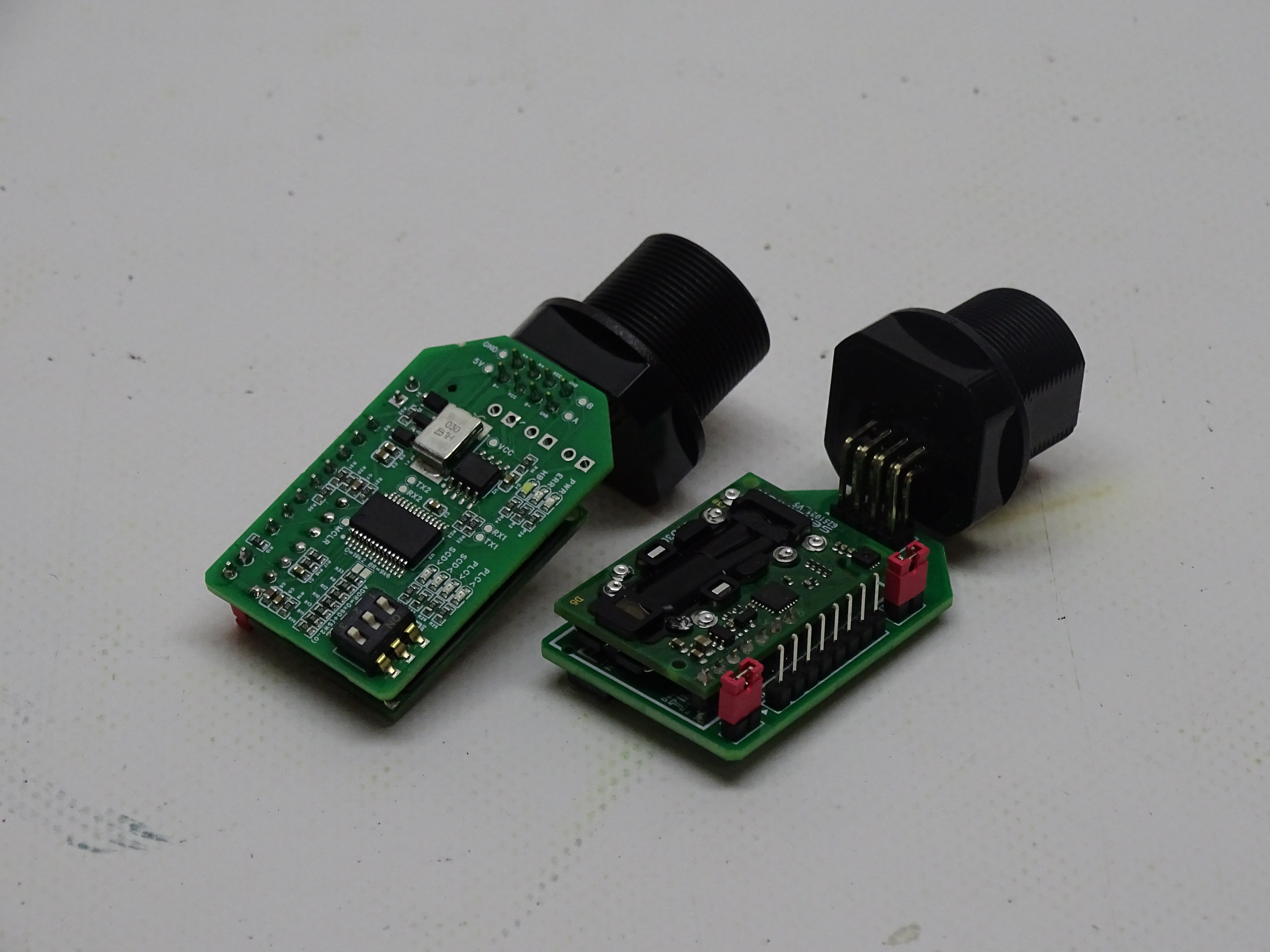
The SCD30 Address Board is a specialized interface solution designed to enable the creation of large-scale CO₂ sensor networks. It allows multiple Sensirion SCD30 sensors to coexist on a single Modbus RTU bus by providing physical address translation via on-board DIP-switches. This modularity makes it ideal for building-wide climate monitoring and industrial automation.

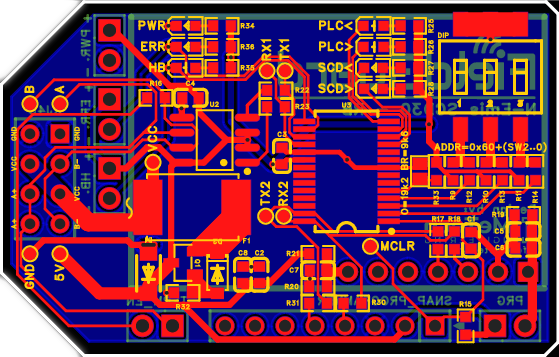
The hardware is engineered for reliability in harsh environments, featuring robust overvoltage and reverse polarity protection, alongside configurable RS-485 termination and bias resistors. The custom firmware, written in pure C, implements a full Modbus stack with advanced error reporting. A dedicated status LED provides real-time diagnostics via 14 unique fault codes, covering everything from CRC mismatches to bus timeouts.

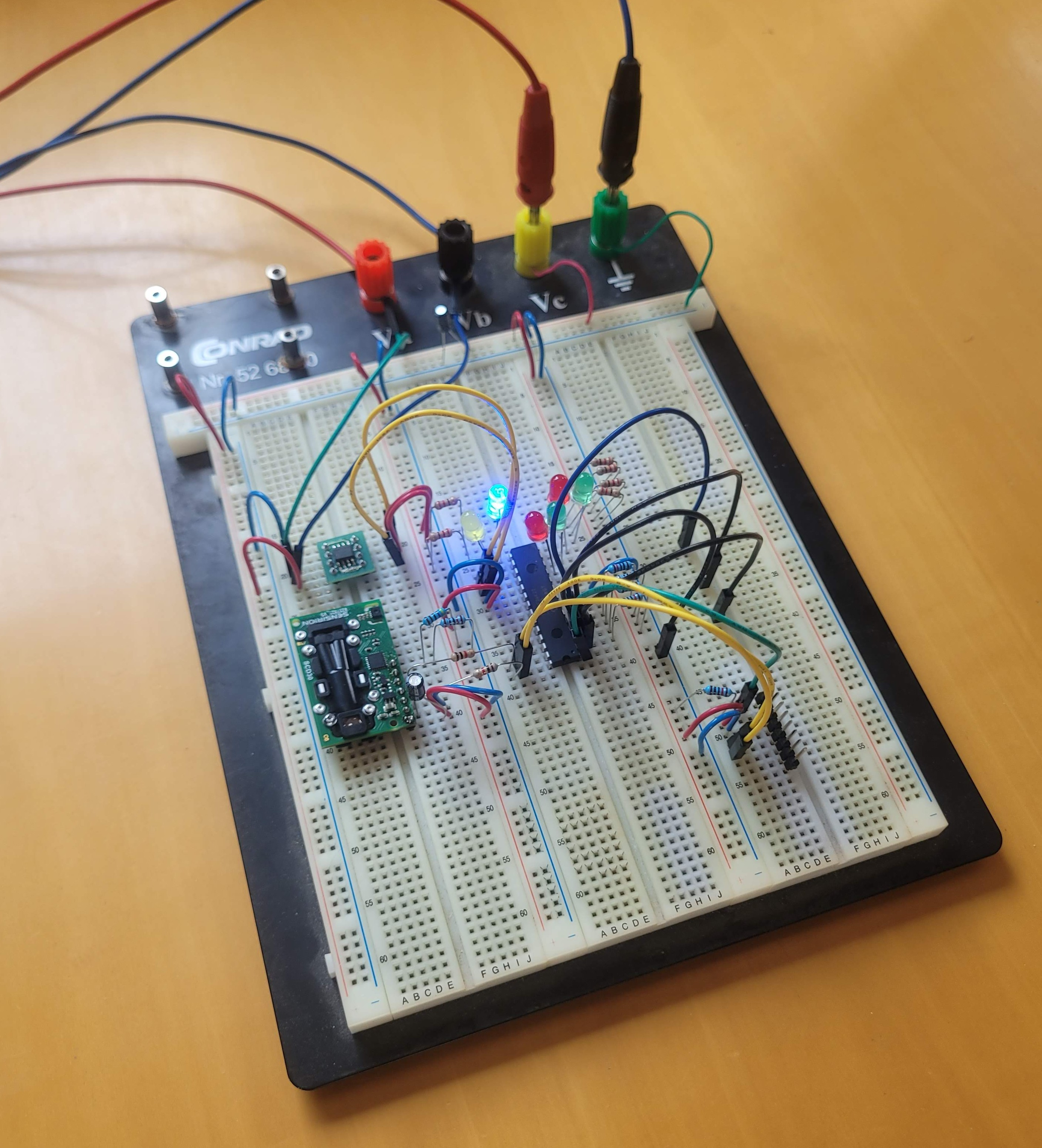
Developed in collaboration with FieldGuard, this project represents a complete end-to-end engineering effort: from initial breadboard feasibility and protocol analysis to production-ready PCB layout and long-term stability testing.

Who is this for?

This address board is especially relevant for anyone looking to set up climate monitoring on a larger scale, for example across office buildings, schools, or other premises where CO₂ levels need to be measured in several places at once. It's also a useful reference for companies developing their own sensor products who need a robust, reliable way to run multiple sensors over a single connection. And it's a good example of how IMeTech works alongside an external partner, in this case FieldGuard, to take an idea all the way to a production-ready solution.

What makes it special?

What makes this design special is that it solves a tricky practical problem: sensors that are normally identical and can't share the same connection can, thanks to this board, all be addressed individually. The design also accounts for demanding, real-world conditions, with protection against things like miswired cables and a status light that uses clear fault codes to show exactly where a problem lies. On top of that, the project ran the full course from an early working test to a production-ready board, developed closely with FieldGuard.

Sensor integration challenges?

I design and build robust industrial communication solutions for your sensor networks.

Start your project